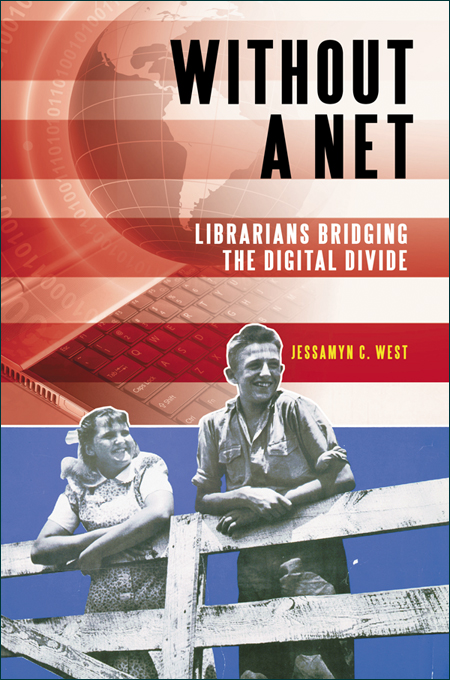
Book is out, and some other things.

I don’t think I’ve taken two weeks off from this website since it started in 1999. A short explanation is in order. I received a box with five copies of my book in the mail on May 18th. The next day I received the news that my father had died. I’ve mentioned this elsewhere and I’m sorry if I should have told you personally and didn’t and you learned about it here.

So, what might have been a PR onslaught of epic proportions–I am very proud of this book and excited to see it done and almost perfect–turned into a completely different sort of set of weeks. I’ll write more about my father on my own blog and you’re welcome to read this thread on MetaFilter which has links to a lot of things to read about him including obits in the Wall Street Journal and the New York Times. We’ve also set up a memory page on 1000 Memories [free forever, I give these folks the thumbs up]. My father’s death was sudden but not totally unexpected. I had a good relationship with him which was hard-won because he was a difficult and somewhat complex man. I am doing okay, all things considered. I am well taken care of. I am his executor and there is a lot of work to do.

Yesterday I started thinking about the book again. I made a facebook page for it but it also has its own page which includes the full bibliography, web links and appendix. The local newspaper wrote a little article about it and I think I can get the local bookstore to stock it. I’ll be heading to the Oregon Virtual Reference Summit in a few days to talk about Ask MetaFilter and the digital divide. I have a small pile of stuff I’ve been meaning to put here, but wanted to let people know what was up first. Let me know if you liked the book. Thanks for being here.
the future of the book is ….

The future of the book, the printed book, is up in the air. People stand to make a lot of money if they can convince you that their version of the future of print and reading is correct. Many of us would just like to separate the wheat from the chaff and keep delivering good content to various sorts of readers, from now until forever. The Green Mountain Library Consortium released their statement about Harper Collins this week which, while not as strong as I personally would have liked, I think sends a “hey man, not cool” message and at least sends a “hey we’re paying attention” message which I think is the important part. In the meantime, there are a lot of people who have a fairly good understanding of the general ebook situation who are deciding to poke a bit of fun at the crazy world we’re currently inhabiting. John Scalzi has made an electronic publishing bingo card which, while amusing in and of itself, has a weath of great discussion in the comments.

I’ll note that I spent a good chunk of time over this past week going over my page proofs [again] and yet I have no idea at all what the ebook for my book will look like or even what format(s) it will be available in. I can’t wait for this in-between time to be over with.

A readers bill of rights for digital books

I’m going to be on the road at SXSW for the next week. People who are also going should come to my panel on Friday at 5, or attend one of the librarian meetups. And say hi if you see me, here is my schedule. In the meantime I’ll be keeping an eye on the #HMOD debacle and polishing up places to put this logo. The site, ReadersBillofRights.info, says “Please use these images in support of our work against DRM with the Readers’ Bill of Rights for Digital Books.” Nice list of associated things to read down the righthand side there.

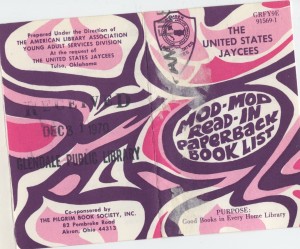
telling it like it is a reading list from 1970

“The Mod-Mod Read-In Paperback Book List was produced in 1970, under the auspices of the Young Adult Services Division, the precursor of the Young Adult Library Services Association. From the titles, it seems to be an ancestor of both Popular Paperbacks and Quick Picks. It was part of a project called “Operation Opportunity;” apparently the Jaycees’ response to the Great Society.”

Read the whole post over at Sara Ryan’s terrific blog.

Harper Collins vs. Libraries – battling for the future of lending digital content

There are other where blogs you can read more about this. The upshot is that OverDrive sent out a “State of OverDrive” letter which had some concerning news in it. The Librarian in Black outlines the primary issues. The big deal is that one publisher, Harper Collins, wants to dramatically change its ebook terms such that once you “buy” an ebook to be distributed via overdrive, it can circulate 26 times and then no more. Keep in mind that OverDrive is acceding to these requests, so I think we rightfully have a bone to pick with them as well. BoingBoing gives you some information on why this sort of DRM situation is bad for libraries, bad for people.

There are some other things in the OverDrive note including them starting to be hardasses with libraries about who is in their geographical region, to make sure libraries aren’t, I guess, defrauding OverDrive and giving cards to any old person so that they can rip OverDrive off? The mind boggles. I call this meddling. Bobbi Newman has a good and updated summary of who is saying what about this and this Library Journal article about it is replete with comments.

Now is really the time for us to step up and use our excellent collective buying power to say that this sort of thing is not at all okay. I am sorry if OverDrive is realizing that their revenue model isn’t as terrific as they maybe thought it would be, but this is overstepping what a decent vendor/library model should look like. I just get this weird feeling that in these tough economic times where even the casinos without Swedish license are gaining popularity, OverDrive and book publishers, forgetting that libraries are some of their best and most enduring customers, have decided to see how they can get more money for fewer services. At the same time, they’re treating libraries as if we’re the ones responsible for publishers’ revenue problems. Shame on both Harper Collins for being tough guys and OverDrive for giving in to these demands.

Publishers and vendors: we will work with you to find ways to lend digital content. You need to not treat libraries as if they’re contributing to your demise.