social media is real life, make it accessible

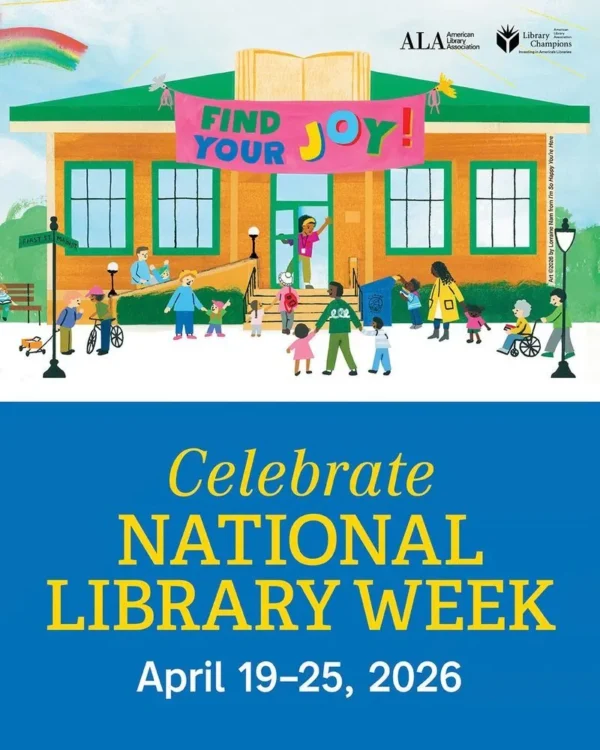
Happy National Library Week. I have spent the first day of this nominal holiday on a self-appointed task of telling library advocates on social media that if they’re not using alt text with their images, they’re not actually supporting the full mission of libraries which is to serve everyone. You can join me. For anyone who shares the ALA poster, here’s a Bluesky-length reply that you can just copy and paste.

Alt text: A colorful illustration of the front of a library with a librarian waving to community members outside. A banner over the library reads "FIND YOUR JOY!" Logos for ALA and Library Champions in top right. Text below the illustration reads "Celebrate NATIONAL LIBRARY WEEK, April 19-25, 2026" Continue reading “social media is real life, make it accessible”
Ask A Librarian: Getting Live Transcription Working with Zoom

From a local hearing impaired pal: Can you help the library to get captions on Zoom? They’ve been trying to figure it out for a couple of months now. I asked them to have you help them, but I don’t think they’ve tried that.

Live captions are now a service available to anyone with a Zoom account, paid or free, but its not always obvious how to get it working. I got it sorted for my local library so I figured I’d write down my steps in case it helps others. Turns out this is a thing you have to first turn on in the settings which is confusing. Continue reading “Ask A Librarian: Getting Live Transcription Working with Zoom”

Ask A Librarian: setting up a WP site accessibly?

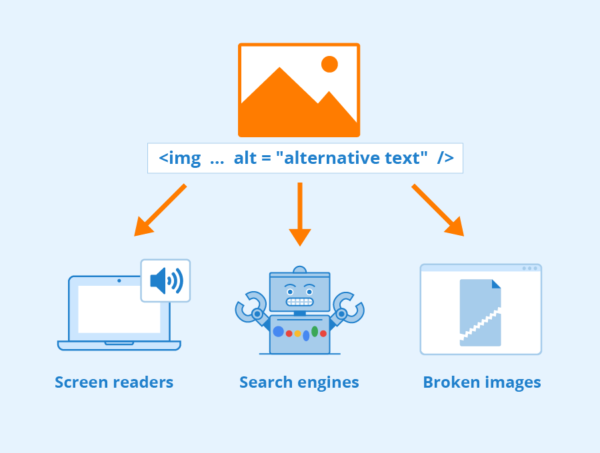
image which is itself showing a stock image with the HTML code for alt text and then arrows from it point to three different "use cases" underneath: screen readers, search engines and broken images.
Image by: Seobility – License: CC BY-SA 4.0

I was talking to a woman on Twitter about this but it was worth re-stating st length. Building in website accessibility from the get-go is much better–both in terms of hassle factor and in terms of outcomes–than bolting it on after the fact. If you’re building a small library website using WordPress, here are some resources for you. Here’s a nice starter page that talks about some considerations. Continue reading “Ask A Librarian: setting up a WP site accessibly?”

TILT – today in librarian tabs v. 3

Screen Shot 2016-06-11 at 21.19.39

Before I forget, I’ve actually started a Tiny Letter, also called TILT though it’s a bit more essay-ish than these posts. Subscribe if you like this sort of thing in your inbox. Infrequent messages, well-designed and lovingly delivered.

Been thinking about the workplace a little this week. Here’s my top five.

  1. This isn’t about libraries but it’s a thing many librarians should read. Why it’s better for a workplace to avoid a toxic employee over hiring a superstar. The Harvard Business Review lays it out. We in libraries all know it, but this is science to support our many feels.
  2. I really wish the DPLA would mix up their front page a little but I did learn about their new Source Sets from our local Vermont contact when I was at VLA. Curated primary source documents with teaching guides and links to more information. Here’s one on the food stamp program in the US.
  3. Stanford University Libraries puts out a useful annual Copyright Reminder document for faculty and staff. Their new one is out and outlines key copyright issues for 2016.
  4. Being dedicated to accessibility should also include knowing how to find useful things for our patrons that our libraries may not have. With this in mind, it’s worth making you aware of PornHub’s launch of described audio of their most popular videos. You can find it by searching for the “narrated” tag. An earlier web project called PornfortheBlind.org is still online as well.
  5. Very exited to see the results of the IMLS funding to help the Indigenous Digital Archive get up and running. You can follow their Twitter account to stay abreast of developments.

I pay no more than top legal price food stamp image.

Last day to comment on ADA expansion to include website accessibility

“The Department of Justice wants to broaden the authority of the Americans with Disabilities Act in regard to the Internet and specifically websites. Today is the final day for public comment on that proposal. Meanwhile, new data has emerged that shows far fewer people with disabilities using the Internet than people without. ”

Disabled folks have less internet access than non-disabled people. The access they do have is often more challenging because of poorly-understood or -implemented website accessibility features. I encourage you to comment, especially if you work in a publicly-funded library. Direct link to the proposed changes: Nondiscrimination on the Basis of Disability: Accessibility of Web Information and Services of State and Local Government Entities and Public Accommodations