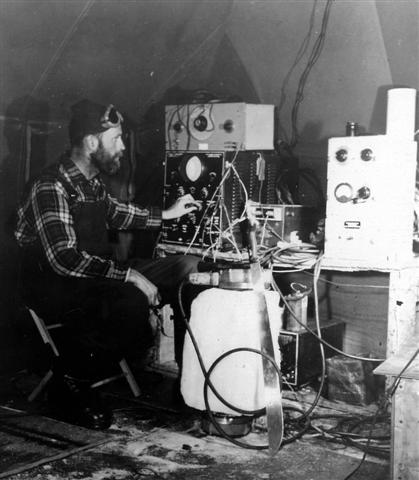
look who is putting archival photos on Flickr
It’s Boston Public Library! Photos and metadata! Red sox in swimsuits! Neato. Meanwhile NYPL “soft launches” a redesign for their Digital Gallery. Go peek. Give feedback. [via spinstah]
Slate is looking for someone to work two days a week writing the Explainer column, answering questions about issues in the news. The application seems simple enough. You have to send your sample answers to a yahoo.com address which seems a little weird. All you people looking at how to become a freelance librarian, start here.
After Rochelle and Jenna and Laura. Some of these are by choice and some are just… weird broken parts of my brain but it hardly matters which now, does it?
I can do pretty much anything with any sort of computer, but that doesn’t mean I know everything or do everything with technology. How about you?
The New York Public Library is blogging. A little more backstory from Jay and Josh at the labs. It’s really neat to see the blog being used to surface content from the collection, not just fancy images, but all sorts of stuff: NY history, ephemera and even a little conversation.
My pal Hugh McGuire — you probably know him from Librivox, he swears on his blog too — wrote a post with some words to the wise: Defining What You Are For (just like porn). He explains how one of the reasons porn is so darned profitable is “[b]ecause the porn biz understands exactly what it is for” and then wonders if other institutions like newspapers and libraries really understand what they are for. It’s not primarily a post about libraries, but since Hugh is the president of the Board of Directors of the Atwater Library (a library with a drupal website and an apartment inside it, those who know me know that I hyperventilate as I type this) this is a topic near and dear to him.
But the real value a newspaper performs is not giving me good articles, it’s putting it all together. The mere provision of information is worthless now, because anyone can do it (even me).This is why blogs - at least in the techno-intelligencia - win. Blogs are excellent selectors of information, while newspapers are pretty clunky at it - because for the past 300 years they existed in an ecosystem where information was scarce. Now information (and access to it) is abundant. So a site like BoingBoing becomes one of the most popular on the net: their craft is not providing information, it’s selecting it. And they’re good at it.
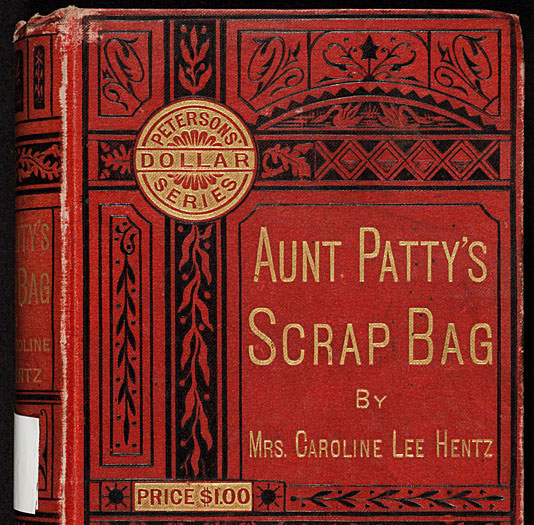
Slow reading points me to the Not in WorldCat blog, showcasing weird funky and obscure books that you can’t find in one of the many libraries Worldcat covers.
Worldcat.org is the public face of the largest combined (or “union”) library catalog in the world. Library folks usually refer to it as OCLC (Online Computer Library Center). Currently OCLC/WorldCat catalogs over 1 billion items from over 60,000 libraries around the world. This blog is not affiliated with OCLC/Worldcat in any way. It’s just an outlet for one bookseller/librarian (me) to feature unusual, rare and interesting items that exist outside of WorldCat’s vast reach.
The LOLbrarians group on livejournal has been somewhat quiet lately, but I enjoyed this little mockup about the Libirary of Congress and their excellent unique historical map. Reading that made me realize there was a digital version of the map online that I could go look at. Neato.
I learned what I know about greasemonkey and an awful lot about accessibility by reading Mark Pilgrim’s Dive Into Accessibility and Dive Into Greasemonkey. He has a blog at DiveIntoMark, of course, which I sometimes read. Today I was directed there by David Weinberger to the post called The Future of Reading. As David points out Mark’s post is not just a cheeky then and now juxtaposition of some of the things Jeff Bezos has said, it’s also “the story of the coming change in norms. And a change in norms rewrites all the stories leading up to it.” How are you feeling about your digital rights, and the content in your libraries?
BLDGBLOG, a true gem of original content about buildings and land use and culture, has a long lovely post on the future warehouse of unwanted books. Starting with a description of the British Library’s giant new warehouse, it goes on to talk about other text repositories from histories real and imagined. Are these warehouses libraries?
My web friend Mat Honan does a lot of neat stuff. He does triathalons, he writes for Wired, he goes traveling to interesting places. I follow him virtually via Vox and Flickr and other random places, not in a stalker-y way but just in a “hey this person is interesting” way. I think we have friends in common, but I don’t know him in person. So, when he started doing pay-per-post posts to his blog, I wasn’t sure if he was making a big joke or earnestly trying to make some money. His posts were definitely interesting and amusing, not taking themselves too seriously it seemed. However, I was and still am a little skeptical about this whole pay-for-placement thing. I keep an eagle eye out for it in libraryland, and I think many of us do. While I don’t think we’re perfect at this game by any stretch I like to think that you go to the library, and your librarian, to get objective information not filtered through shopping incentives, advertising and viral marketing.
I thought this was a worthwhile point to make, so I decided to pay Mat Honan to make it for me. Ten dollars well spent, I think. Don’t you?