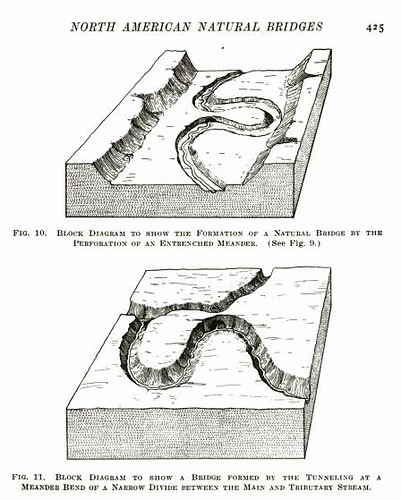
Google Books includes magazines now. Here’s an image from the May 1911 issue of Popular Science. Update: here’s a list of the magazines currently scanned and indexed.
putting the rarin back in librarian since 1999
Google Books includes magazines now. Here’s an image from the May 1911 issue of Popular Science. Update: here’s a list of the magazines currently scanned and indexed.
In light of the recent Google Books/APA settlement, Harvard has examined the details and decided not to be part of the project after all.
Harvard’s university-library director, Robert C. Darnton, wrote in a letter to the library staff, “the settlement provides no assurance that the prices charged for access will be reasonable, especially since the subscription services will have no real competitors [and] the scope of access to the digitized books is in various ways both limited and uncertain.†He also expressed concern about the quality of the scanned books, which “in many cases will be missing photographs, illustrations, and other pictorial works, which will reduce their utility for research.â€
Update: According to the comments, I had this sort of wrong. Harvard is deciding to not have Google scan their copyrighted books but the digitzation project proceeds apace. Thanks Jon.
“I’m a librarian. What I am trying to do is bring all of the world’s knowledge to as many people as want to read it. The idea of using technology is perfect for us.” Brewster Kahle gives a twenty minute talk about free culture and libraries and digitzation at TED.
Quick quiz: when you read a headline like the one in the New York Times today Libraries Shun Deals to Place Books on Web do you think that the libraries involved are
a) sticking up for free access to information
b) prohibiting free access to information
Now read the article and tell me if you feel the same way. The article was also published in the International Herald Tribune with the title Research libraries close their books to Google and Microsoft which was where I read it at FreeGovInfo yesterday.
The U.S. National Archive struck a deal with footnote.com. The good news? Lots and lots of historic documents wil be “available” in digital format for researchers, hobbyists and nerds like you and me. The bad news? For five years you are going to have to pay to access these documents online, or travel to Washington DC to view them for free. The documents also have terms of use that are onerous, annoying or just plain bizarre. More ananlysis and links about this deal at Dan Cohen’s blog.
What I am not certain of is how users accessed these documents in the pre-footnote era? Did Archive staff photocopy them and send people copies for a small fee? I’m also not entirely clear if these documents will be OCRed and available as text, or just locked up in proprietary formats and barely keyword indexed. In any case, while I understand why the Archives sees this as a savvy move, it’s bad news for citizens and sets a bad example of shifting public documents into the private sphere because we’re too broke to do the work ourselves. [del]