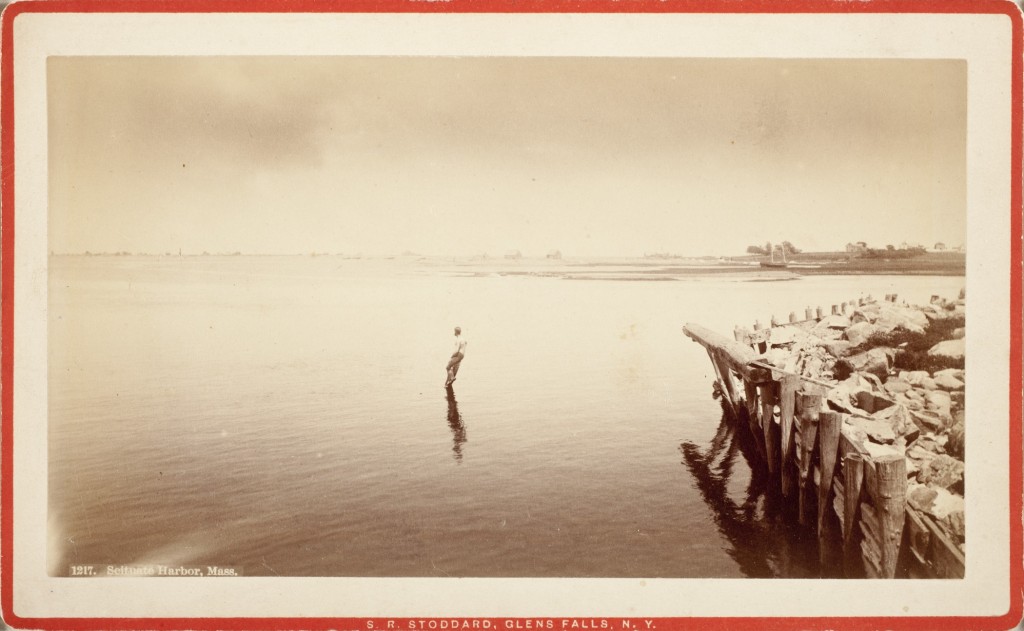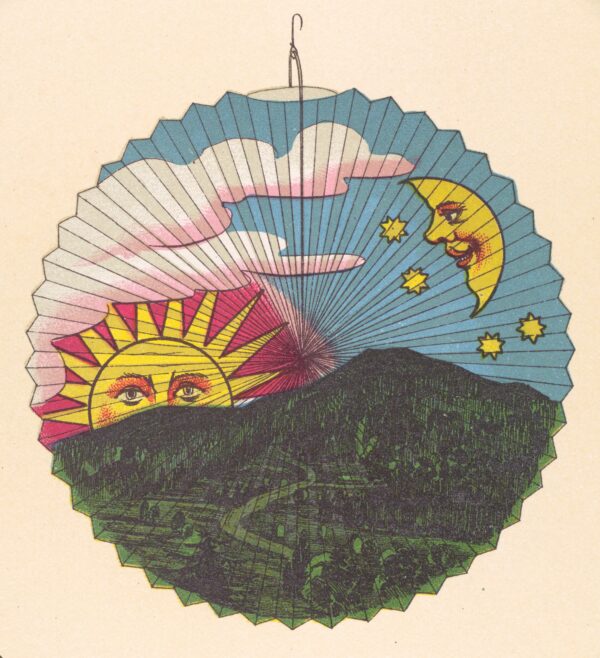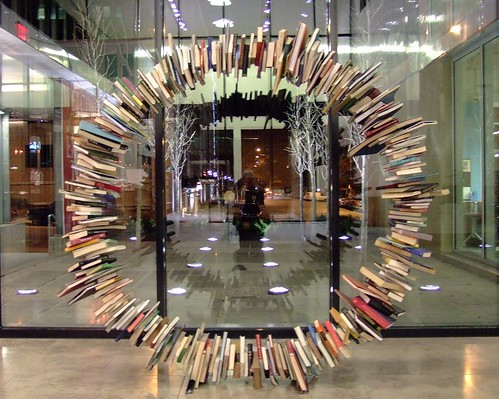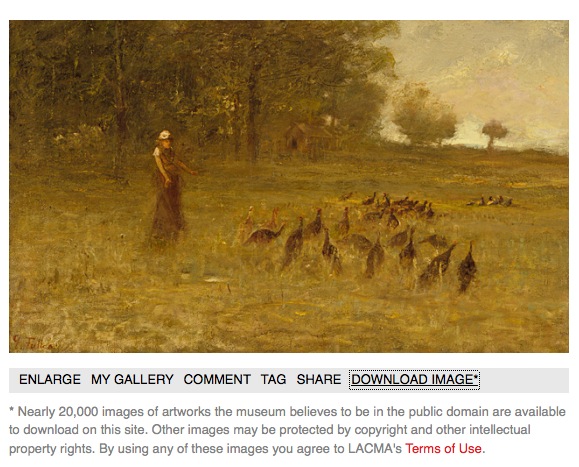
The Los Angeles County Museum of art said on their Tumblr on Friday “Dear Tumblr-verse, Merry Christmas: we just gave you 20,000 high-resolution images, for free. Now we have just one question: what are you going to do with them?” This announcement is a next step in LACMA’s ongoing experiment to open up more of their collections to the public, via the public domain. They have more discussion and explanation on their WordPress blog. Do any search on their new collections website and you can limit your search to only those with unrestricted images. And then you can take those images and do… whatever you want. There is still a wordy Terms of Use page that people may want to dig through but the upshot is that folks should go use these photos, for anything. Stick them in Wikipedia, use them on your flyers and blog posts, use them for your album covers, put them on a t-shirt. Thanks for trusting the public, LACMA. Lovely stuff. Here’s the pull quote from their website that sums up why they did this.
Why would a museum give away images of its art? As Michael Govan often says, it’s because our mission is to care for and share those works of art with the broadest possible public. The logical, radical extension of that is to open up our treasure trove of images. When we first launched our early experiment with giving images away online, we heard a resoundingly positive response from many quarters: school teachers, parents, graduate students, journalists and the occasional creative person interested in printing their own Mother’s Day cards. So far, we have yet to hear of a situation where one of our public domain artworks has been misused or abused.